Repairs That Stop Further Cracking
Concrete Resurfacing and Repair in Berea for driveways and slabs damaged by freeze-thaw cycles and moisture penetration
Seasonal freeze-thaw damage shows up first as hairline cracks along driveway edges, then as surface spalling where water penetrates and expands during winter cold snaps common throughout Madison and Estill counties. Fugate's Concrete repairs and resurfaces residential concrete for homeowners facing deterioration that worsens each year, with damage assessment that determines whether resurfacing over the existing slab will hold or whether full removal and replacement is required to address compromised base layers. The decision hinges on what is happening beneath the visible surface: if the base material has washed out or settled unevenly, any repair that leaves that layer in place will fail within two seasons.
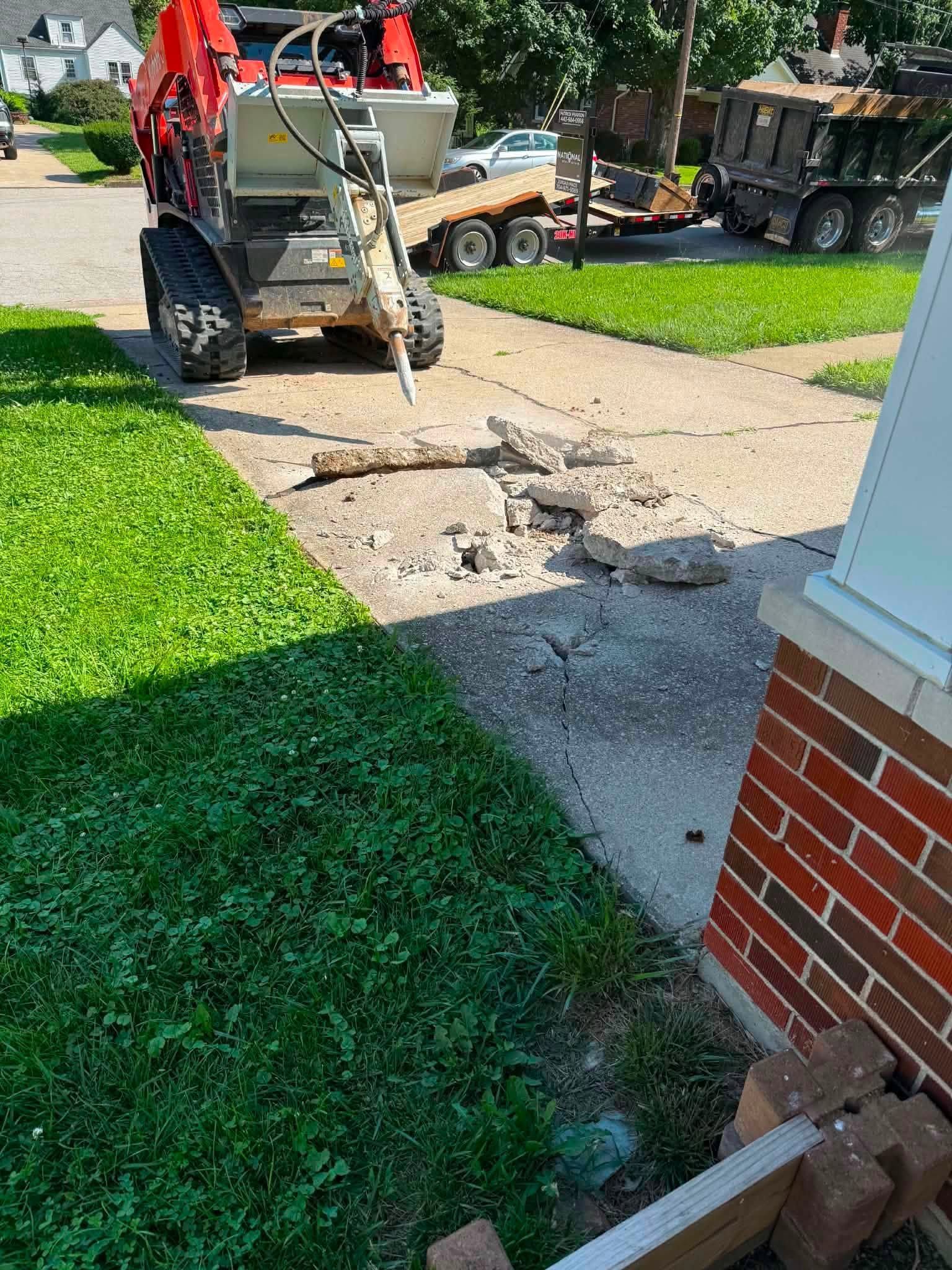
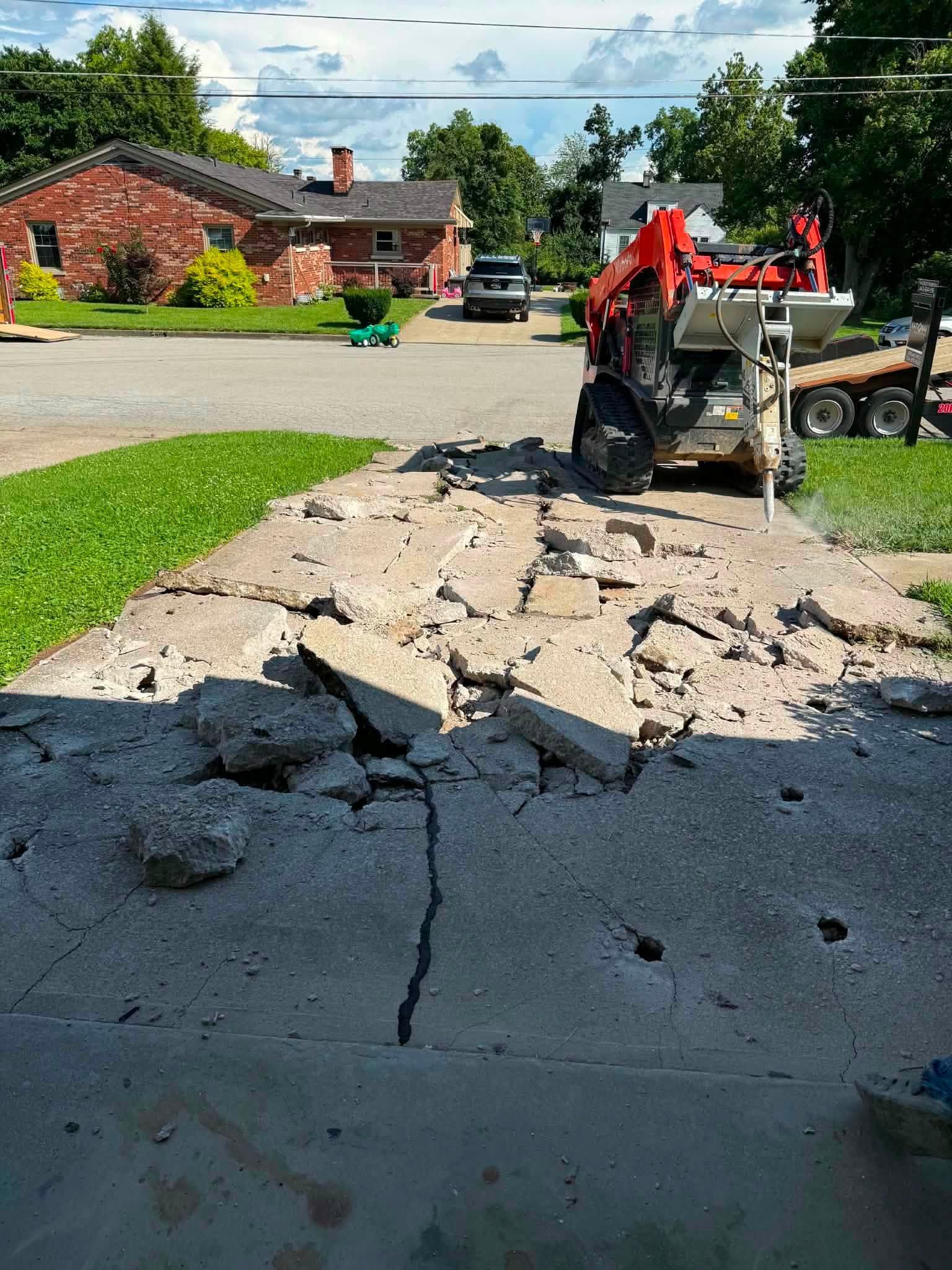
Concrete removal and tear-out work exposes the base layer for inspection, revealing whether moisture infiltration has eroded the gravel substrate or created voids where settling occurs. Base evaluation determines what must be removed, re-compacted, or replaced before new concrete is poured. Resurfacing applies when the underlying base remains stable and drainage issues have been corrected, allowing a new surface layer to bond properly without the movement that causes repeat cracking.
Arrange an on-site assessment to identify the source of visible damage and confirm whether resurfacing or replacement is required.
Freeze-thaw damage starts when water seeps through surface cracks or along expansion joints, saturates the base material, and expands as temperatures drop below freezing. That expansion lifts the concrete slab unevenly, creating the pressure that turns hairline cracks into structural splits. Proper repair removes the damaged section, evaluates whether the base has been compromised by water infiltration, and replaces or re-compacts base material before pouring new concrete with improved drainage to prevent moisture from reaching the same vulnerable points.
After repair work is complete, you see a surface that sits level with adjacent sections, with no standing water collecting in low spots and no visible cracks radiating from the repaired area. The concrete sheds water toward drainage pathways instead of allowing it to pool along edges where freeze-thaw cycles concentrate their damage. Owner-supervised repair work ensures that base issues are addressed rather than covered over, which prevents the same failure pattern from repeating within a few seasons.
Full driveway removal and replacement becomes necessary when the base layer has washed out across a large area or when multiple repair patches indicate systemic drainage problems that resurfacing cannot fix. One documented project involved complete driveway removal and replacement on a compressed timeline, where base failure had progressed beyond the point where partial repair would provide long-term stability.
Answers to Frequent Service Questions
Homeowners in Berea and Richmond dealing with cracked or deteriorating concrete typically ask about the difference between resurfacing and full replacement, and how to prevent the same damage from recurring.
How do I know if my driveway needs resurfacing or full replacement?
Inspection of the base layer determines the answer; if the gravel substrate remains compacted and stable, resurfacing can work, but if water has washed out the base or created settling voids, full removal and replacement prevents repeat failure.
What causes concrete to spall and crack in the 606 region?
Freeze-thaw cycles cause water trapped beneath or within the concrete to expand, creating upward pressure that breaks the surface; moisture penetration through existing cracks accelerates the damage each winter.
Why do some repairs fail within a few years?
Resurfacing over a compromised base or failing to correct drainage issues means the same moisture infiltration and freeze-thaw pressure continue, producing the same cracking pattern in the new surface layer.
When is the best time to schedule concrete repair in Berea?
Spring and fall provide stable temperatures for curing, though repair work can proceed year-round as long as conditions allow proper concrete placement and finishing without freeze risk during the cure period.
What does full driveway removal involve?
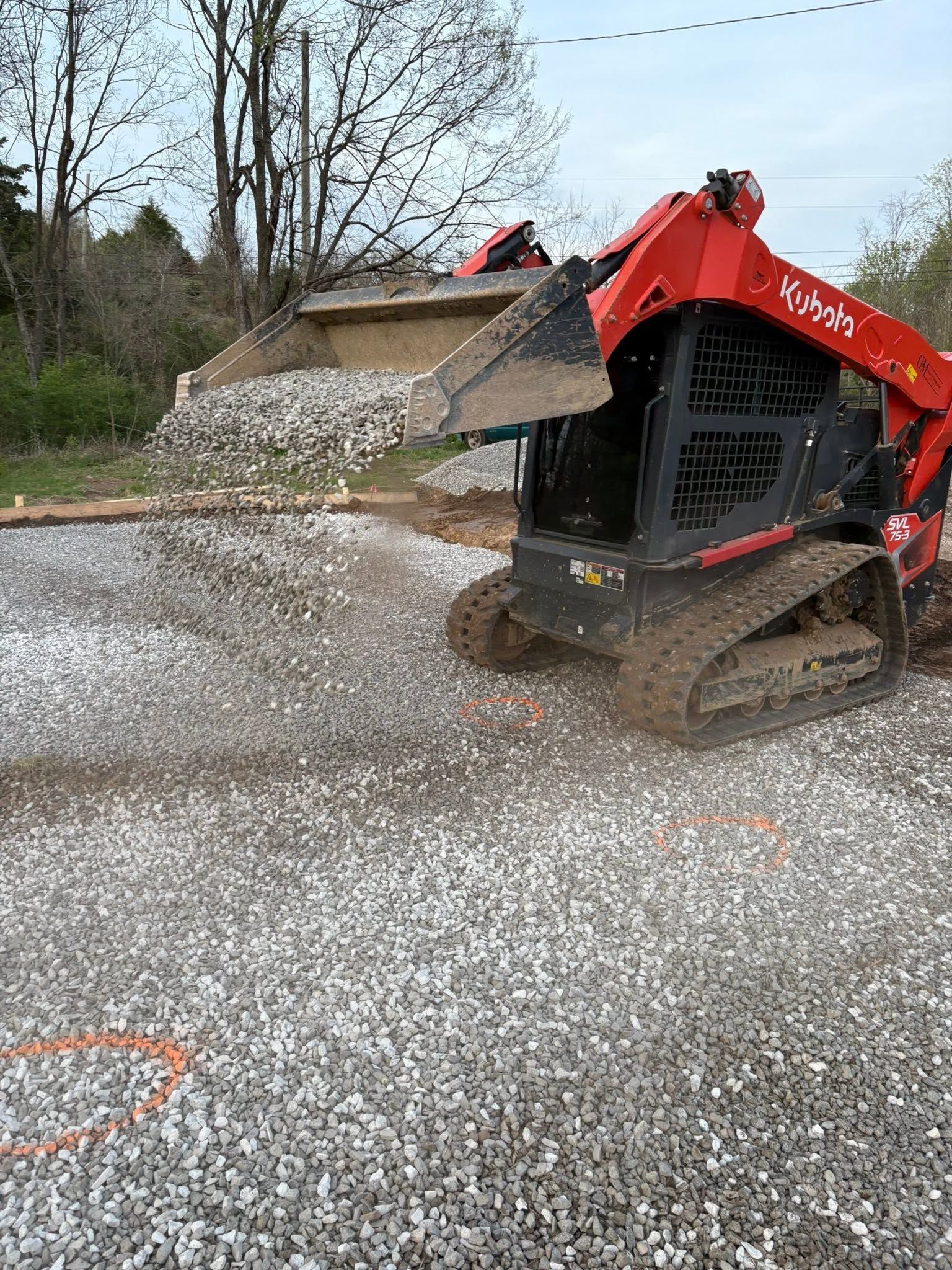
Concrete is broken up and hauled away, the base layer is excavated and inspected, unsuitable material is replaced with compacted gravel, and new concrete is poured with proper slope and drainage design to prevent moisture problems.
Fugate's Concrete handles tear-out, base evaluation, and concrete replacement for residential properties throughout Madison, Rockcastle, and Estill counties, with quality standards enforced through owner oversight on all repair projects. Schedule a damage assessment to determine the scope of work required for long-term stability.