Protection Against Seasonal Moisture and Temperature Shifts
Concrete Sealing in Berea for driveways and patios exposed to freeze-thaw cycles and water penetration
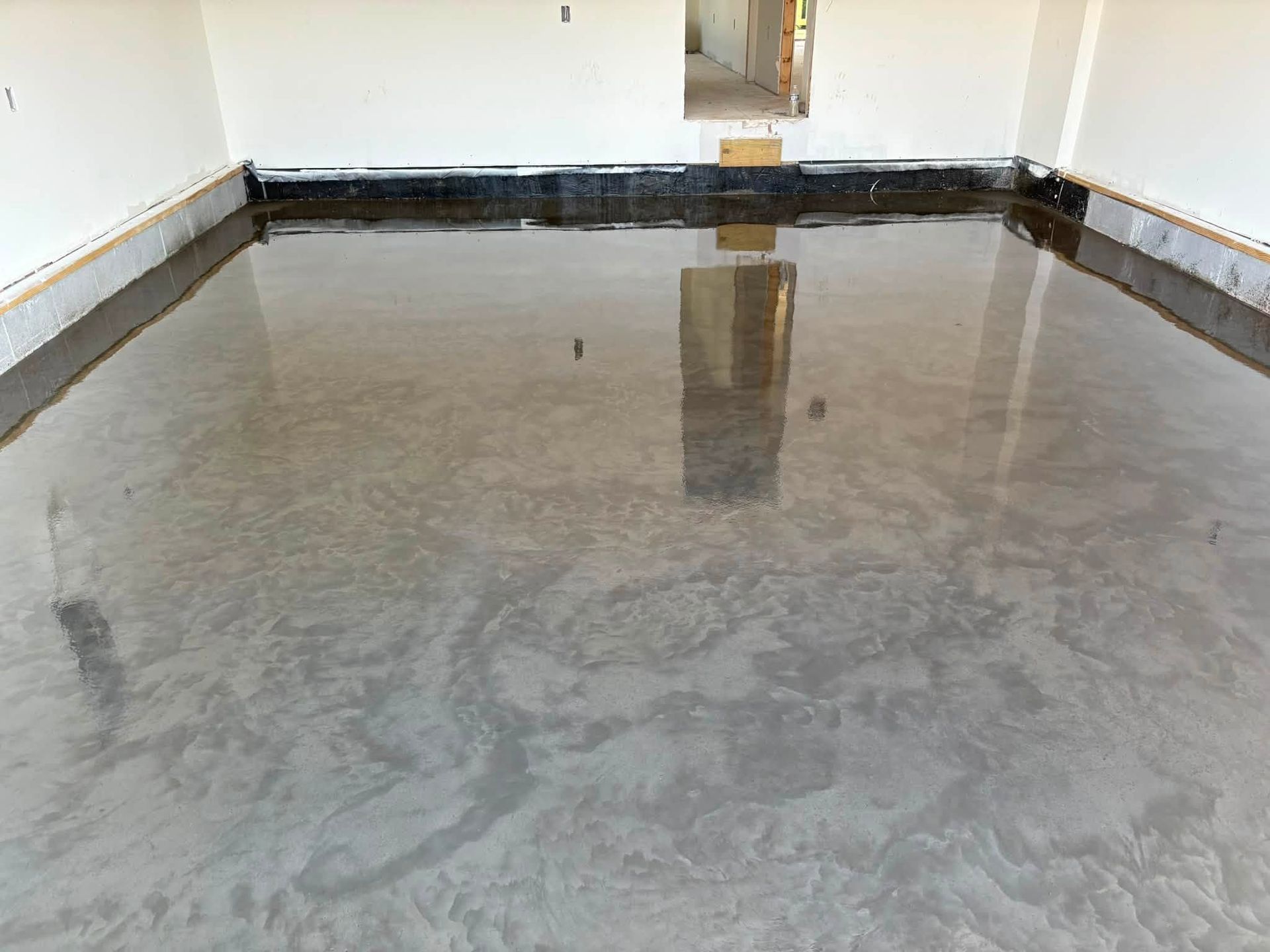
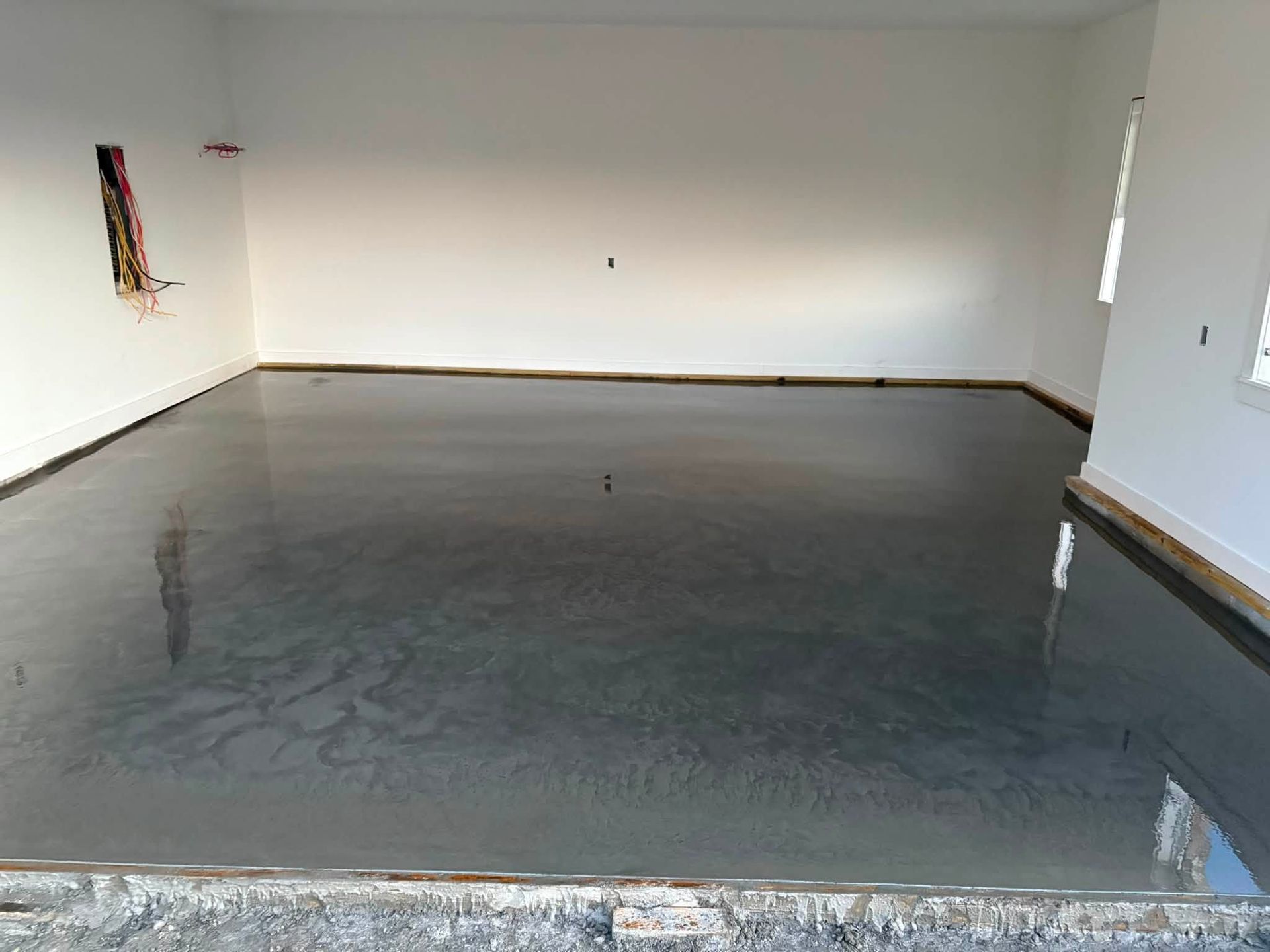
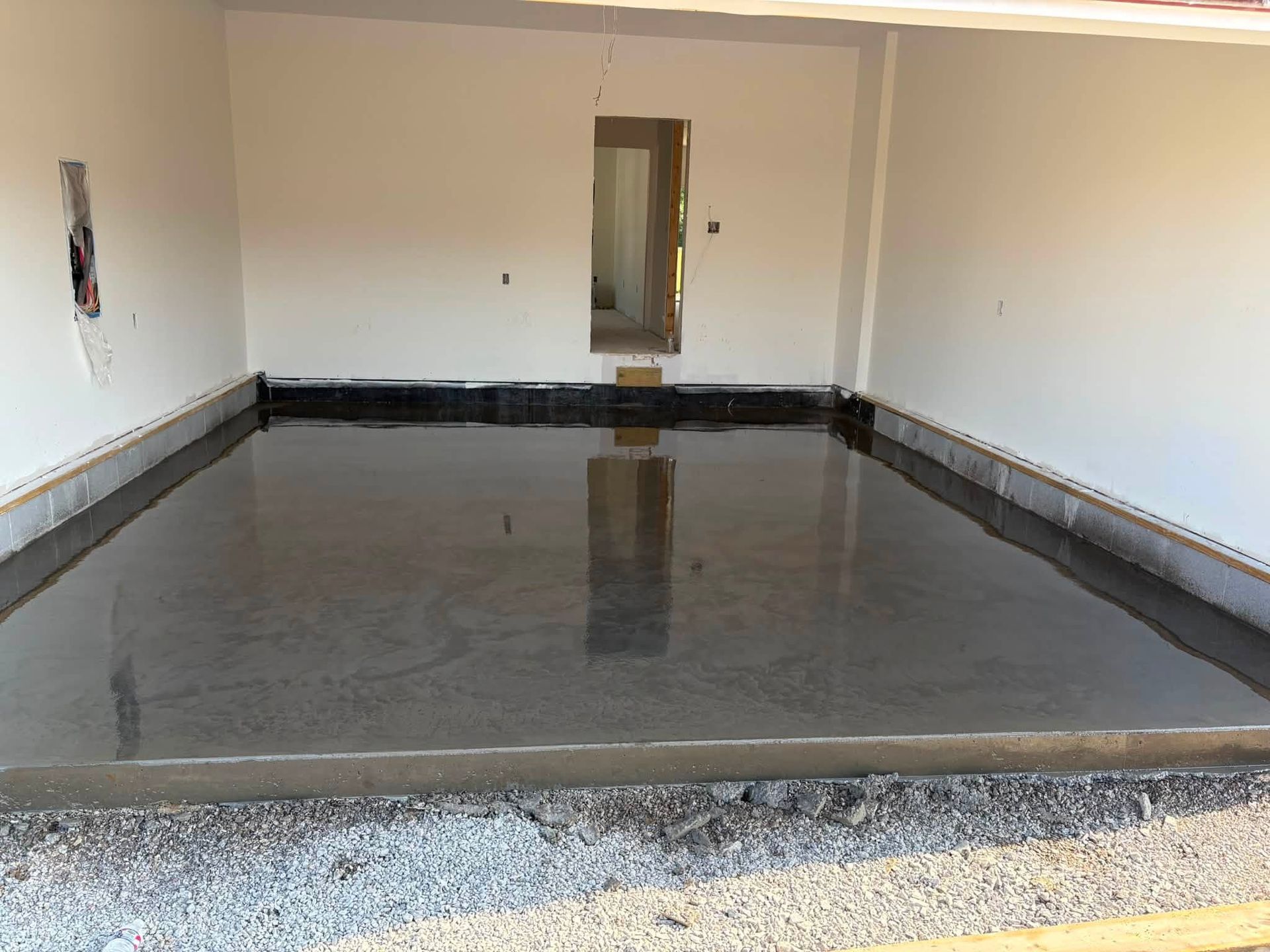
Eastern Kentucky's freeze-thaw cycles and moisture exposure create conditions where unsealed concrete absorbs water, then fractures as that water expands during freezing temperatures. Fugate's Concrete seals new and existing concrete surfaces to block moisture penetration and extend the functional life of driveways, patios, and slabs in Berea and Richmond. Sealed concrete resists surface degradation that shows up as spalling, dusting, and cracking after repeated seasonal cycles.
Sealing involves surface preparation to remove contaminants, followed by sealer application that penetrates or coats the concrete depending on the product used. The sealer creates a barrier that prevents water from entering the porous concrete matrix. This matters in the 606 region, where winter moisture and temperature swings are predictable and damaging.
Arrange an evaluation to determine whether your concrete needs immediate sealing or surface preparation before sealer application.
Surface preparation determines how well sealer bonds and how long it lasts. Fugate's Concrete cleans the concrete to remove dirt, oil, and previous coatings that would block sealer penetration, then ensures the surface is dry enough for proper adhesion. Sealer is applied evenly, with curing time managed based on product specifications and ambient temperature.
You'll notice the sealed surface sheds water rather than absorbing it. Driveways stay cleaner because oil and automotive fluids bead on the surface instead of soaking into the concrete. Patios resist staining from organic material and runoff. The sealed surface also hardens the top layer of the concrete, reducing dusting and surface wear from foot traffic and vehicle use.
Sealing works for both new installations and aging concrete that hasn't been previously treated. On new work, sealing happens after the concrete has cured fully. On older slabs, the surface may need repair or cleaning before sealing can be effective. Sealer doesn't fill cracks or fix structural damage, but it does prevent new damage from starting in sound concrete.
What Homeowners Ask About Sealing
Clients in Berea and Lancaster often want to know whether sealing is necessary and how long it lasts.
What does concrete sealing actually prevent?
Sealing blocks moisture penetration that leads to freeze-thaw damage, surface spalling, and internal cracking. It also resists staining from oil, rust, and organic material that would otherwise absorb into untreated concrete.
How long does sealer last on driveways in Berea?
Sealer longevity depends on traffic and exposure, but most residential driveways need resealing every three to five years. Heavier vehicle use or deicing salt exposure shortens the interval.
When should new concrete be sealed?
New concrete should cure for at least 28 days before sealing, allowing internal moisture to escape and the slab to reach full strength. Sealing too early traps moisture inside and can cause surface defects.
Why does freeze-thaw damage happen to concrete in Kentucky?
Water enters the porous concrete, then expands when it freezes. This expansion creates internal pressure that fractures the concrete from the inside out. Sealing stops water from entering in the first place.
What's the difference between sealing new concrete and sealing old concrete?
New concrete sealing is preventive and straightforward. Old concrete often requires cleaning, minor repairs, and sometimes etching to open the surface so sealer can penetrate effectively.
Fugate's Concrete applies sealer to residential and commercial slabs throughout McKee, Richmond, and Berea, with attention to local climate conditions that make sealing essential for long-term durability. Contact the team to schedule surface evaluation and sealing service.