
Grade Retention for Sloped Properties
Retaining Walls in Berea for properties with grade changes requiring structural support and drainage management
Clay soil and freeze-thaw cycles in the 606 area create specific demands for retaining wall design and construction. Fugate's Concrete builds custom retaining walls for residential properties and new construction sites in Berea, Richmond, McKee, and Lancaster, where proper drainage and structural design prevent wall failure and erosion. Walls that lack adequate footer depth or drainage backing fail within a few seasons as frost heave and water pressure destabilize the structure.
Retaining wall construction involves structural design for grade retention, footer excavation to depth that accounts for freeze-thaw, and drainage installation behind the wall to relieve hydrostatic pressure. Stone and mortar selection must match regional conditions to prevent joint failure during temperature swings.
Arrange an on-site assessment to evaluate grade conditions and determine wall height, footer requirements, and drainage design.
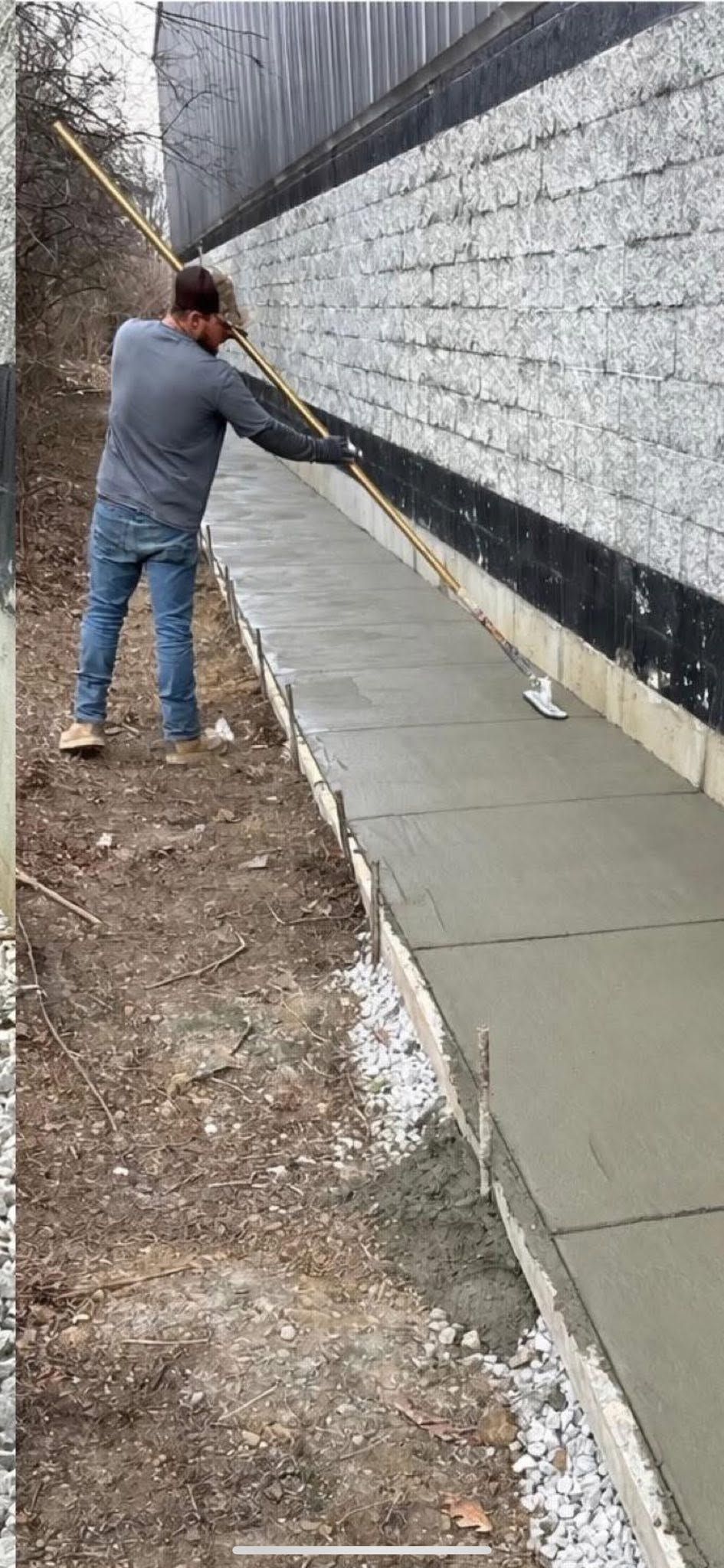
Footer depth determines whether the wall remains stable through freeze-thaw cycles. Fugate's Concrete excavates below the frost line to prevent frost heave from lifting or tilting the wall as the ground freezes and expands. Drainage behind the wall uses gravel backfill and perforated pipe to channel water away from the wall face, preventing hydrostatic pressure that would push the wall forward over time.
Once the wall is complete, you'll notice stable grade retention without leaning, cracking, or soil erosion behind the structure. Water drains through the backfill system rather than building pressure against the wall. The wall holds its position through seasonal weather changes, maintaining the grade separation that allows for driveways, patios, or level yard areas on sloped properties.
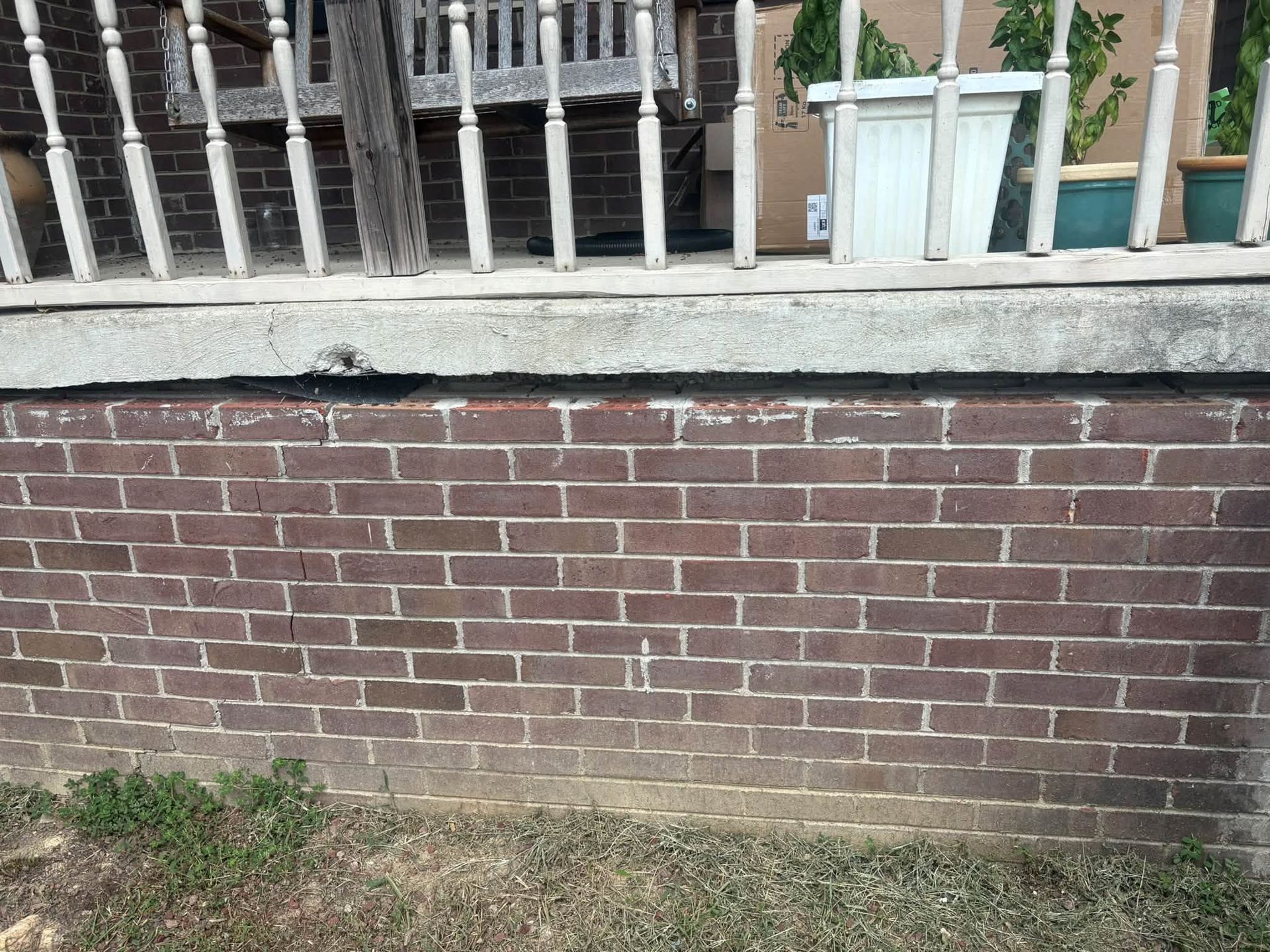
New subdivisions in the Richmond and Berea area often require compliant retaining wall systems as part of site grading plans. Walls must meet structural standards for height, load, and drainage to pass inspection and function long-term. Residential retrofits address erosion or failing slopes where previous walls were built without adequate drainage or footer depth.
Answers to Frequent Retaining Wall Questions
Homeowners facing grade issues or planning new construction typically ask about design requirements and longevity.
What causes retaining walls to fail in Kentucky?
Water pressure and frost heave are the primary causes. Walls without proper drainage allow water to build pressure behind them, while shallow footers allow frost to lift the structure during freezing temperatures.
How deep do footers need to be for retaining walls in Berea?
Footers should extend below the frost line, typically 30 to 36 inches deep in this region, to prevent frost heave from destabilizing the wall during winter months.
When do new construction sites require retaining walls?
Sites with grade changes greater than a few feet typically need retaining walls to create level building pads, driveways, or yard areas. Local building codes may specify wall requirements based on slope and soil conditions.
What drainage system goes behind a retaining wall?
A gravel backfill layer and perforated drain pipe run along the base of the wall, channeling water downslope and away from the wall face to relieve hydrostatic pressure.
Why does clay soil affect retaining wall design?
Clay holds water and expands when wet, increasing pressure against the wall. Proper drainage and backfill selection account for clay's low permeability and expansion characteristics common in Madison and surrounding counties.
With more than ten years of concrete and masonry experience, Fugate's Concrete specializes in retaining wall construction for new builds and residential properties where grade retention is critical to site function. Call (859) 408-8895 to schedule a site evaluation and discuss wall design for your property.